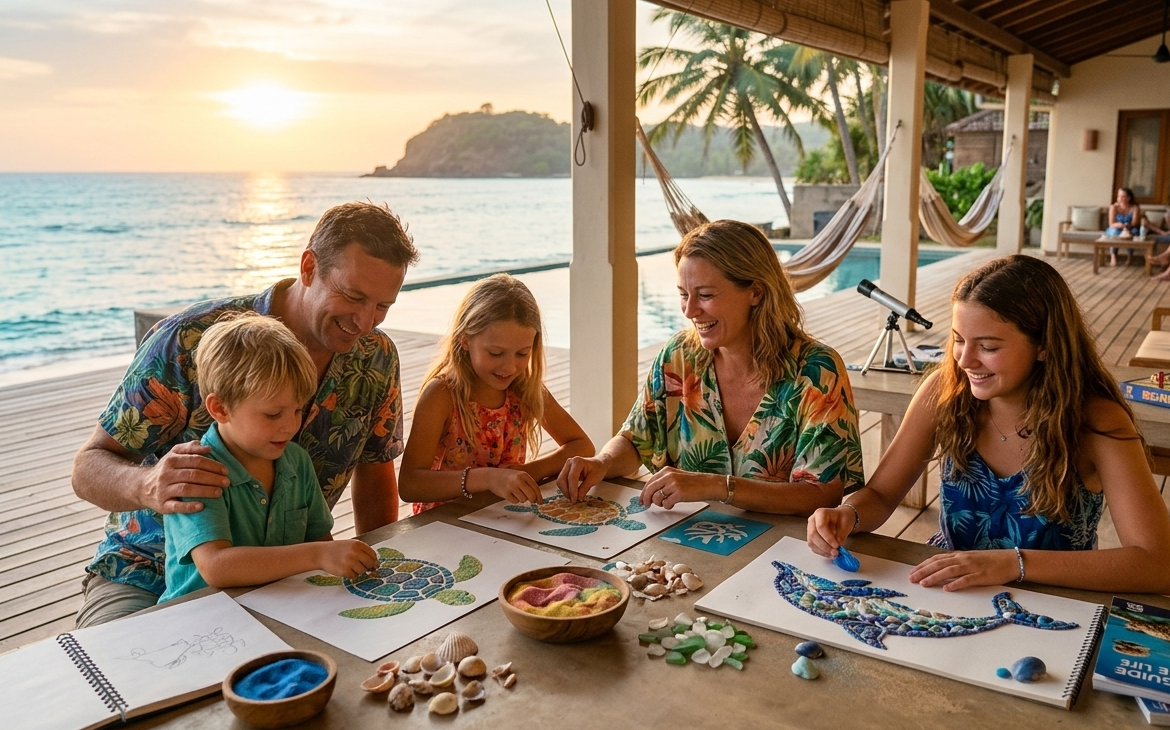
When planning a family holiday, the goal is always to balance relaxation for parents with engaging, memorable experiences for children. The best holiday activities are those that foster bonding, encourage curiosity, and accommodate a wide range of ages and energy levels.

Here is a guide to the best holiday activities for families, categorized by the type of environment you are exploring.
1. Coastal & Beach Adventures
Beach destinations are universal crowd-pleasers because they naturally offer both high-energy activities and built-in downtime.
Coastal Hikes and Tide Pooling: Exploring rocky coastlines at low tide reveals an entire miniature ecosystem. Looking for starfish, small crabs, and sea anemones is an excellent, low-cost activity for younger children.
Marine Wildlife Safaris: Instead of just swimming, take the family on a guided boat tour for dolphin or whale watching. In tropical destinations, visiting a marine turtle conservation project offers a profound educational experience where children can learn about wildlife preservation.
Introductory Water Sports: For families with teenagers, moving beyond sunbathing to shared activities like surf lessons, stand-up paddleboarding (SUP), or guided snorkeling excursions over shallow coral reefs keeps everyone engaged.
2. Nature & Wildlife Immersions
Stepping away from screens and heading into the wilderness is one of the most effective ways for families to reconnect.
- National Park Safaris: Booking a private jeep safari through a wildlife sanctuary brings storybooks to life. Seeing majestic animals like elephants, leopards, or exotic birds in their natural, untamed habitats sparks a lifelong respect for nature in children.
- Scenic Nature Trails: Swap strenuous treks for well-mapped nature walks. Look for trails that lead to a reward, such as a hidden waterfall, a safe swimming hole, or a stunning panoramic viewpoint.
- Outdoor Camping or Glamping: Spending a night under the stars introduces kids to basic outdoor skills like building a safe campfire, stargazing, and identifying nocturnal wildlife sounds, all while enjoying the comforts of modern “glamping” if traditional camping feels too rustic.
3. Cultural & Historical Exploration
Travel is an incredible informal educator. Introducing cultural activities helps children develop a global mindset and a deeper appreciation for history.
- Interactive Living History Sites: Skip dry museums in favor of ancient fortresses, ancient ruins, or historical villages where history is tangible. Walking along old fortress walls or exploring ancient urban planning architectures makes history feel like an adventure game.
- Local Culinary Classes: Food is a gateway to culture. Taking a family-friendly cooking class where you learn to make traditional dishes using local spices or ingredients is a sensory experience that the family can replicate back home.
- Traditional Arts and Craft Workshops: Engage in hands-on learning by participating in local workshops, such as pottery making, traditional mask carving, or weaving. Children love creating a physical souvenir that holds cultural meaning.
4. Agri-Tourism & Rural Experiences
Showing children where their food comes from and experiencing a slower, community-focused pace of life is highly grounding.
- Working Farm and Plantation Tours: Visiting tea estates, spice gardens, or local dairy farms allows families to see agricultural processes firsthand. Many estates offer fruit picking or tea-leaf plucking experiences tailored for families.
- Community-Based Homestays: Spending a day or two in a rural village stay exposes families to local hospitality and authentic lifestyles. It provides a beautiful opportunity for children from different backgrounds to interact and play together naturally.
💡 Top Tips for Managing Family Holiday Activities
- The “One Big Activity per Day” Rule: Avoid over-scheduling. Plan one main excursion or activity for the morning when energy levels are high, and leave the afternoon open for spontaneous exploring, swimming, or resting.
- Involve Everyone in the Planning: Let each family member pick at least one activity during the holiday. This gives children a sense of ownership and ensures that teenagers feel their preferences are respected.
- Prioritize Local and Sustainable Choices: Opting for local guides, certified eco-tours, and community-hosted stays not only provides a safer, more authentic experience but also teaches children the importance of ethical, sustainable travel.